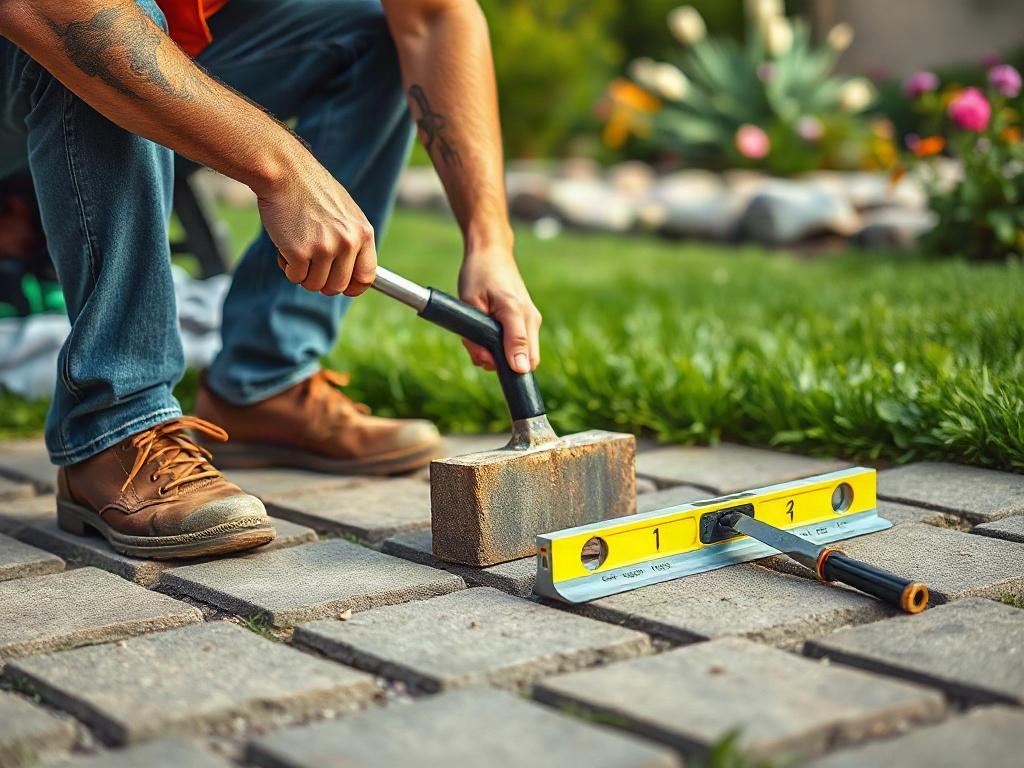
A paver patio can add usable outdoor living space, improve your home's appearance, and create a comfortable entertaining area. While installing pavers may look like a straightforward weekend project, the process involves much more than placing stones on the ground. Homeowners need to consider excavation, base preparation, grading, drainage, cutting, compaction, and long-term maintenance.
So, is DIY paver patio installation worth it, or should you hire a professional? The right choice depends on your experience, available tools, project size, budget, and expectations for the finished patio.
An experienced DIY homeowner can manage a small, simple patio. However, larger patios, complex layouts, sloped properties, and areas with drainage concerns require more specialized knowledge.
The foundation beneath the pavers is especially important. Proper excavation, grading, base installation, and compaction help prevent settling and shifting over time. Even attractive pavers can develop uneven areas if the foundation isn't prepared correctly.
Professional landscapers have experience evaluating soil conditions, elevations, drainage patterns, and the best installation approach for a particular property. That experience can make a significant difference in the patio's appearance and performance.
A DIY paver project requires more equipment than many homeowners initially expect. Depending on the size and design, you may need tools and equipment such as:
You can rent some of these tools, but rental costs and transportation can add to the project budget. Professional landscaping crews already have the equipment needed to excavate, compact, cut, and install pavers efficiently.
DIY installation can reduce labor costs, which is often its biggest advantage. If you already own many of the necessary tools and have the time to complete the project yourself, you may be able to save money on the initial installation.
However, account for the full cost of materials, equipment rentals, delivery fees, waste, and potential mistakes. A DIY project can also take several weekends, particularly if you're working alone.
Professional installation typically costs more upfront because you're paying for labor, experience, equipment, and project management. In return, you can avoid spending your free time on excavation and construction while reducing the risk of costly installation errors.
Drainage is one of the most important parts of any paver patio installation. The finished surface needs to direct water away from your home and other structures, rather than allowing it to collect beneath or on top of the patio.
Poor grading can contribute to standing water, erosion, shifting pavers, and problems around your home's foundation. Depending on the property, you may also need additional drainage solutions.
A professional can evaluate the existing grade and determine how to position the patio. Runkel Landscape Associates notes that its landscape design process considers factors such as soil type, moisture conditions, and potential property limitations before installation begins.
A professionally installed paver patio isn't necessarily better simply because a professional installed it. The real advantage comes from applying the correct techniques throughout the project, particularly during preparation.
The base needs to be stable and properly compacted, while the pavers need to be positioned accurately and secured with appropriate edge restraints. Proper joint material and final compaction also help maintain the finished surface's integrity.
Runkel Landscape Associates specializes in hardscapes, pavers, patios, walkways, and retaining walls, offering installation methods tailored to each property's needs. The company uses both stone and concrete base systems and can help homeowners choose the approach that best fits their project and budget.
DIY installation may be a good option for homeowners with construction experience, access to the necessary equipment, and a relatively small, uncomplicated project. It's also worth considering if you enjoy hands-on projects and aren't working against a strict deadline.
Before starting, make sure you understand the required excavation depth, base preparation, grading, paver layout, and drainage requirements. A mistake beneath the surface can be difficult and expensive to correct after the patio is finished.
Professional paver patio installation is often the better choice when the project involves significant excavation, drainage challenges, complicated designs, elevation changes, or a large surface area.
Hiring a professional may also make sense if you want the project completed efficiently without spending weeks on physical labor. Experienced crews can handle material delivery, site preparation, installation, cleanup, and other details as part of one project.
Runkel Landscape Associates provides landscape design and installation services as well as hardscape installation for homes and businesses throughout Lima, Ottawa, Wapakoneta, and surrounding areas. Its team approaches projects with both design and functionality in mind, helping homeowners create outdoor spaces that are attractive, practical, and built to last.
There isn't one answer for every homeowner. A small patio on a relatively level property may be a suitable DIY project, while a larger installation with drainage or grading concerns can benefit significantly from professional expertise.
If you're focused on minimizing upfront costs and have the time and skills, DIY installation could work. If you value efficiency, precision, drainage planning, and long-term performance, professional installation may provide greater value over the patio's life.
A well-designed paver patio can become one of the most useful and attractive features of your outdoor space. At Runkel Landscape Associates, we can help you plan a patio that fits your property, lifestyle, and budget while addressing the installation details that affect long-term performance. Contact our team today to discuss your project and request a free quote for professional hardscape and paver installation.
